
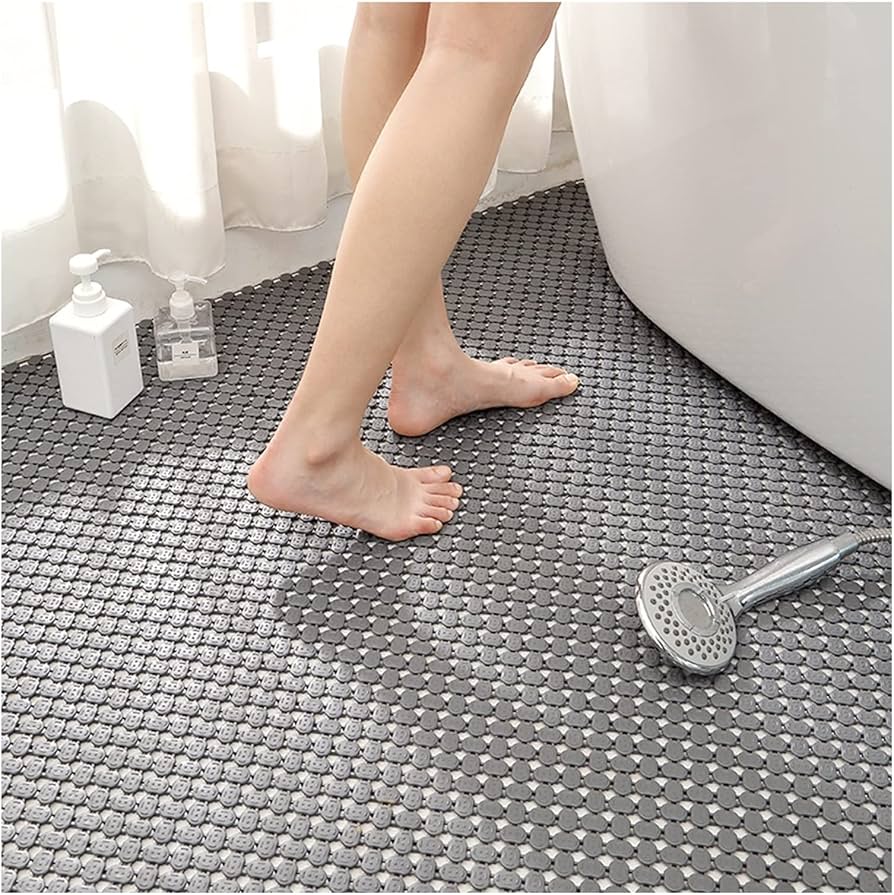
 Replacing slippery floors with safer, slip-resistant alternatives significantly increases safety and independence for elderly and disabled individuals by reducing fall risks. This change not only prevents serious injuries like fractures but also enhances emotional well-being by fostering a greater sense of autonomy and allowing for continued living at home. Accessible flooring options are available in a variety of materials, including vinyl, rubber, and carpet, that provide the necessary stability and comfort.
Increased safety and injury prevention
-
Reduced fall risk: Slippery floors, especially when wet, are a leading cause of falls for seniors and people with disabilities. Non-slip surfaces provide the stability needed to prevent slips and stumbles.
-
Injury mitigation: Replacing hazardous flooring can prevent serious injuries, such as broken bones, which are more common in older adults.
-
Protection for those with mobility aids: Individuals who use walking aids like canes are especially susceptible to slips. Slip-resistant floors are crucial for these users.
Enhanced independence and quality of life
-
Preserved autonomy: Allowing individuals to remain in their own homes without the constant fear of falling is a major boost to their sense of independence.
-
Improved emotional well-being: Studies have shown that having greater autonomy and privacy at home is linked to reduced depression rates and a better overall quality of life.
-
Greater mobility: Safer floors make it easier and safer for individuals to use mobility devices like walkers or wheelchairs.
Practical and aesthetic benefits
-
Variety of options: A wide range of slip-resistant flooring materials are available, including textured vinyl, cork, rubber, and low-pile carpet, allowing for choices that fit various budgets and aesthetic preferences.
-
Ease of maintenance: Many modern, slip-resistant options are also durable and easy to clean, making them a practical choice for long-term use.
-
Wider application: Slip-resistant flooring can be installed throughout the home, not just in high-risk areas like the bathroom, creating a consistently safer environment.
How to choose and implement new flooring
-
Consider the best materials: Low-impact options include textured luxury vinyl tile (LVT), cork, bamboo, and rubber, which can also offer cushioning.
-
Ensure consistency: Minimize the number of flooring transitions and try to use the same or consistent material to avoid unevenness.
-
Professional installation: Especially for high-risk areas, it is wise to have professional installation to ensure grab bars are securely mounted and floors are properly laid.
-
Combine with other modifications: Flooring is just one part of a comprehensive safety plan. Consider adding grab bars in bathrooms, improving lighting, and removing clutter to further prevent falls