
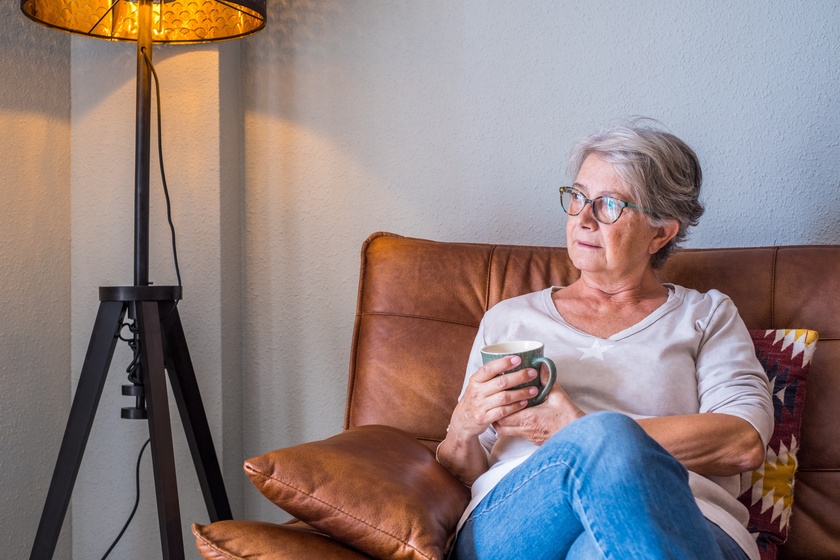
 Improving home lighting offers significant advantages for elderly or disabled individuals by enhancing safety, promoting independence, and boosting both physical and mental well-being. Better lighting reduces fall risks, improves visibility for daily tasks, helps regulate sleep patterns, and can even improve mood and overall quality of life.
Promoting independence and safety
-
Reduces fall risk: Proper lighting, especially in high-risk areas like hallways, stairs, and bathrooms, helps prevent falls by improving spatial awareness and depth perception. Clear, well-lit paths reduce confusion, particularly in the evening.
-
Increases ability for daily tasks: Good lighting enables individuals to perform daily activities such as cooking, reading, and grooming with less assistance, which fosters a sense of autonomy and self-sufficiency.
-
Improves visibility: Adequate brightness helps compensate for age-related vision changes, making it easier to see and distinguish objects, colors, and textures, which is crucial for a safe and comfortable environment.
Enhancing physical and mental health
-
Supports circadian rhythms: Adequate lighting helps regulate the body's natural sleep-wake cycle, which can lead to better sleep quality and improved mood.
-
Boosts mental health: Natural and well-mimicked indoor light can improve mood, reduce feelings of depression and anxiety, and increase energy levels.
-
Reduces eye strain: Brighter, high-quality light, such as from LEDs with a high color rendering index (CRI), makes it easier for aging eyes to see and reduces visual fatigue.
-
Provides essential Vitamin D: Increased exposure to natural light is a primary source of vitamin D, which is vital for bone health and immune function.
Cost-effective and modern solutions
-
Energy efficiency: Modern options like LEDs use significantly less electricity than older bulbs, leading to lower energy bills, which is especially beneficial for those on a fixed income.
-
Long-lasting and low maintenance: LEDs last much longer than traditional bulbs, reducing the need for frequent replacements.
-
Adaptable lighting: Today's lighting technology allows for customization. For example, some LED systems can be adjusted to provide bright light during the day and warmer, dimmer light in the evening to help signal to the body that it's time to sleep